How to Safeguard Your Business Website from Cyber Threats


Understanding Cyber Threats
In today's digital age, cyber threats are becoming increasingly sophisticated and pose significant risks to business websites. Understanding these threats is the first step in safeguarding your online presence. Cybercriminals employ various tactics, from phishing to ransomware, to exploit vulnerabilities. To protect your business, it's essential to stay informed about the latest threats and trends in cybersecurity.

Implementing Strong Password Policies
One of the simplest yet most effective ways to protect your website is by enforcing strong password policies. Encourage employees to use complex passwords that include a mix of letters, numbers, and special characters. Regularly updating passwords and avoiding the reuse of old ones can significantly reduce the risk of unauthorized access.
Two-Factor Authentication
Enhance your password security by implementing two-factor authentication (2FA). This adds an extra layer of security by requiring users to verify their identity through a secondary method, such as a text message or authentication app. 2FA makes it more difficult for cybercriminals to gain access, even if they have your password.

Regular Software Updates
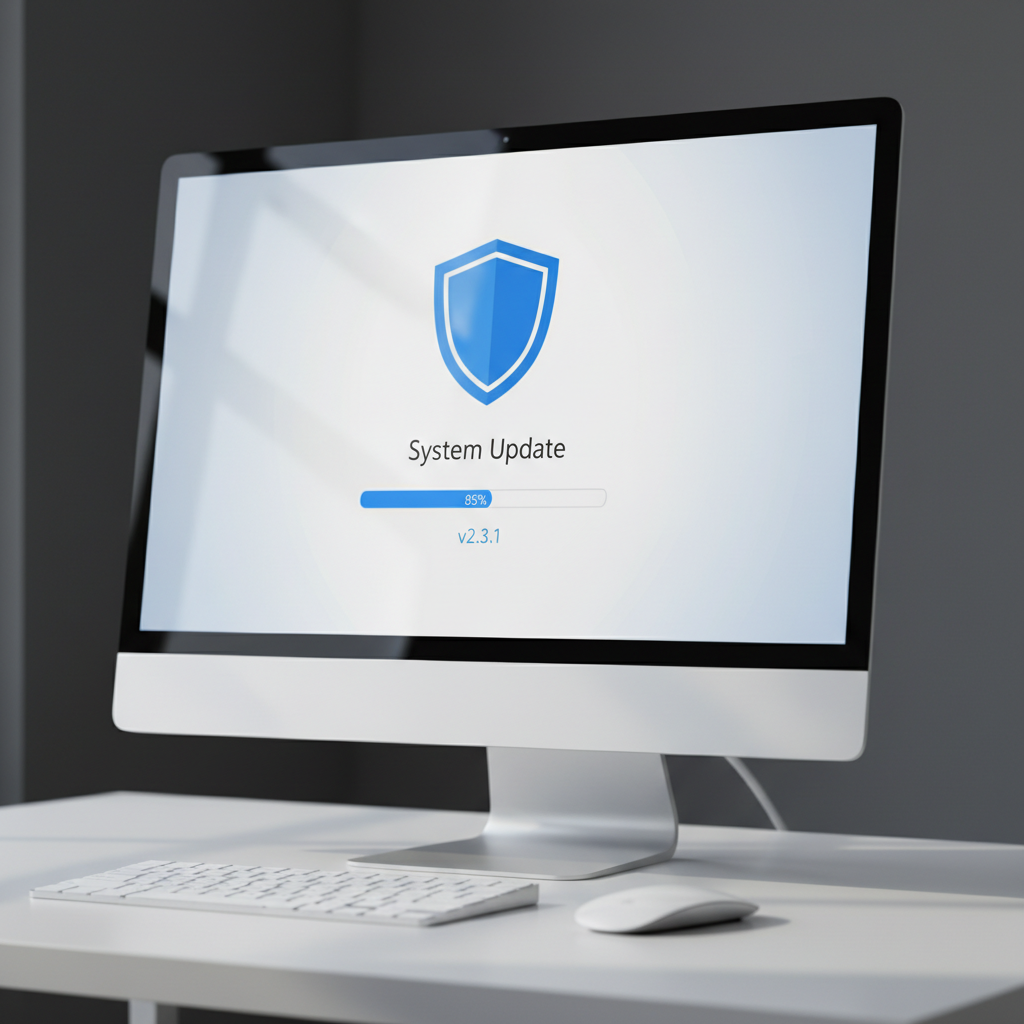
Keeping your software up to date is crucial in defending against cyber threats. Developers frequently release updates that patch vulnerabilities and enhance security features. Make it a priority to regularly update your content management system, plugins, and any other software your website relies on.
Automatic Updates
Consider enabling automatic updates where possible. This ensures that your systems are always protected with the latest security patches without requiring manual intervention. It’s a simple yet effective way to maintain a secure website environment.
Secure Your Network
A secure network is the backbone of a safe website. Implementing a firewall can help monitor and control incoming and outgoing network traffic based on predetermined security rules. Additionally, using a Virtual Private Network (VPN) can protect data by encrypting the connection between your website and its visitors.
Regular Security Audits
Conduct regular security audits to identify and address potential vulnerabilities in your network. These audits can help pinpoint weaknesses and provide insights into improving your security infrastructure. Partnering with cybersecurity experts can be beneficial in performing comprehensive assessments.

Backup Your Data
Regular data backups are vital for recovering from cyber incidents like ransomware attacks. Ensure that your backups are stored securely and are easily accessible in case of an emergency. Having a robust backup strategy can minimize downtime and data loss, keeping your business operational even in the face of cyber threats.
Cloud-Based Backups
Consider using cloud-based backup solutions for added security and convenience. Cloud backups are often automated and can provide additional protection against physical data loss due to hardware failure or natural disasters.